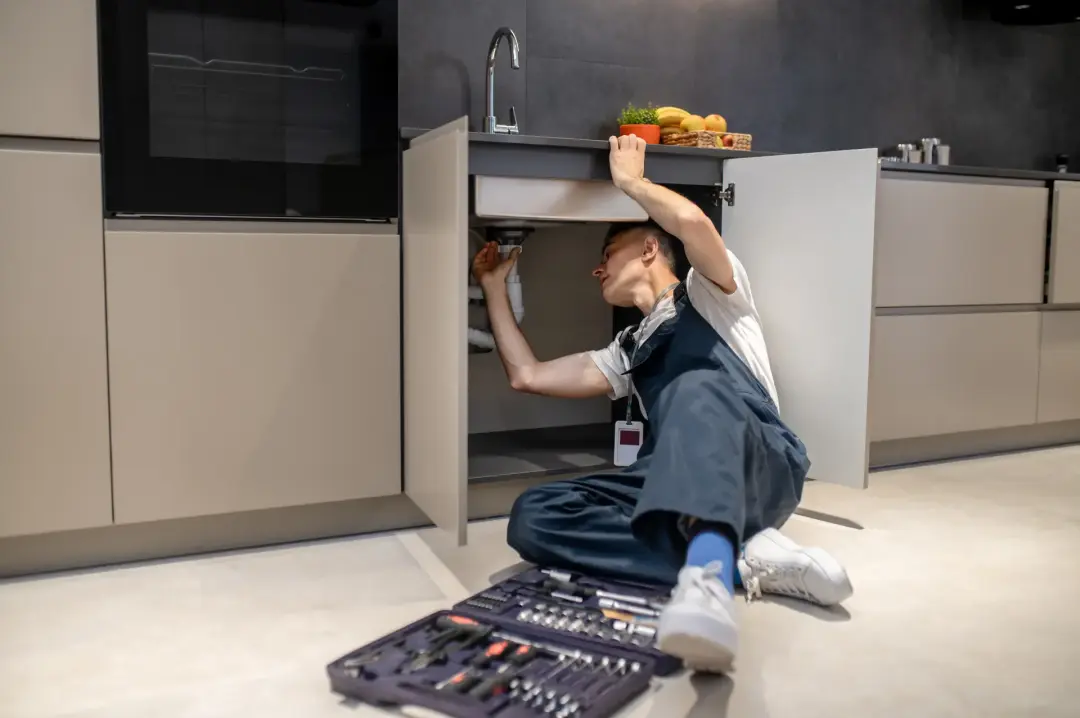
The signs you need a plumber are not always dramatic. A toilet that keeps refilling, a damp cupboard or a tap that suddenly loses its flow can all deserve professional attention. The important decision is how quickly to act.
This guide helps households in Cannock distinguish an immediate emergency from a fault that needs a prompt appointment or a planned repair. It explains which observations are useful, without asking you to dismantle plumbing to make a diagnosis.
Judge the risk before judging the size of the leak
Start with three questions: is water still escaping, is it reaching anything vulnerable, and can the affected fixture safely be taken out of use? A small leak above an electrical fitting can be more urgent than a larger puddle on an accessible utility-room floor. Location and control matter as much as volume.
Think about the people in the home too. Losing the only usable toilet or all drinking-water access creates a different problem from a spare basin being unavailable. Explain any mobility needs, young children or medical circumstances when booking help. These details allow the plumber to understand the practical consequences of the fault.
Do not wait for a dramatic photograph before reporting a worsening problem. Water spreading into flooring or ceiling cavities may travel beyond the first visible mark. A useful first decision is whether the area is safe to approach; finding the exact failed component comes later.
Arrange urgent help for uncontrolled water or sewage
Water spraying from a pipe, a leak that continues to spread after you stop using the fixture, or wastewater rising through a shower tray needs urgent attention. Stop using affected outlets and keep people away from contaminated water. If you can safely reach a known water shut-off valve, isolate the supply without forcing it.
A bulging ceiling or water emerging near lights calls for extra caution. Do not stand beneath the damaged area, puncture the ceiling or touch wet electrical equipment. Electrical Safety First’s flood guidance says electricity should only be switched off when it is safe to do so; wet or damaged electrical equipment needs professional assessment.
An ordinary plumbing call-out is not the right first response to an immediate threat to life. If there is a gas smell, a carbon monoxide alarm or another serious danger, move to safety and contact the appropriate emergency service. Tell the plumber about the hazard rather than expecting a routine visit to resolve it.

Book promptly when a fault cannot be reliably contained
A drip caught in a bowl may look manageable, but ask what happens overnight or when you leave home. If the leak rate changes, the container fills quickly, or the source is hidden behind a unit, it needs a prompt assessment. Towels and buckets are temporary protection, not a repair.
A damp patch that returns after drying is another reason to act. Record when it appears: after a shower, when the washing machine drains, or regardless of household activity. Those patterns help narrow the investigation. They do not prove a specific diagnosis, and opening a wall without a plan can create unnecessary damage.
Tell the plumber whether you have isolated the fixture and whether that actually stopped the leak. A nearby valve may serve only one appliance or part of a system. If you are unsure what it controls, say so clearly rather than assuming the whole problem is contained.
Treat a continuously running toilet as a repair priority
Not every important plumbing fault floods a room. A toilet can lose water straight into the bowl while the floor stays dry. Look for continuing ripples or trickling after the normal refill has finished, and listen for the cistern repeatedly replenishing itself when nobody has flushed.
In its current guidance on identifying leaks, Thames Water says a leaking toilet wastes around 400 litres a day on average. This is a general illustration, not a measurement of your toilet or a prediction of your bill; the actual loss depends on the fault.
Book a repair instead of relying on repeated flushing or pressing the button harder. Give the plumber the toilet’s make if visible, whether the cistern is concealed, and whether there is an accessible isolation valve. Photographs of the fittings can help with preparation without removing panels or disturbing seals yourself.
Use the pattern of poor flow to choose the next step
A weak shower does not automatically mean the incoming water supply has failed. Compare other outlets: is the kitchen cold tap affected, are both hot and cold weak, or is the change limited to one fitting? Note whether the problem began suddenly or has developed gradually. Avoid adjusting unfamiliar valves just to experiment.
For a complete loss of water, check your supplier’s incident information and ask a neighbour whether they are affected. South Staffs Water’s emergency guide uses the kitchen cold tap as a useful starting point for supply checks. A wider outage belongs with the water supplier; a problem confined to your home may need a plumber.
Do not confuse a boiler pressure display with the pressure of drinking water at the tap. They describe different parts of the installation. Report exactly what has changed rather than requesting a pressure adjustment that may have nothing to do with the symptom.
Recurring blockages deserve diagnosis rather than another quick clear
One slow basin and several backing-up fixtures are different patterns. If the toilet, bath and sink are all affected, stop adding water and explain the combination when calling. A recurring blockage may need investigation of the pipe route or drainage system instead of repeated attention to the same visible outlet.
Keep a short record of how often it happens and what has already been tried. Mention any drain-cleaning product used, including its name, before someone opens the pipework. Do not mix products or continue adding chemicals to a drain that is not clearing. The plumber needs to know what may be present.
An unpleasant smell alone does not identify a broken drain. Its location, timing and relationship to unused fixtures are useful clues. Persistent smells with poor drainage or wastewater returning indoors justify a professional assessment rather than covering the smell with cleaning products.
Plan repairs that are stable, accessible and safely isolated
A tap that drips into the basin, a loose handle or a worn fitting can often be booked as planned work when there is no spreading water or other hazard. That does not make it sensible to ignore the fault indefinitely. Choose an appointment while access is straightforward and the fixture is still usable.
Before calling Albatross UK LTD, write down the main symptom, when it started, the fixtures affected and any safe steps already taken. Send a clear photograph if requested. Ask about the visit’s purpose, charging basis and whether diagnosis may be followed by a separate repair once parts are identified.
A good outcome is an explanation of the cause, a proportionate repair and a check that normal use no longer reproduces the problem. Ask what to monitor afterwards. If the fault returns, refer to the original symptoms and work carried out so the next conversation starts with useful evidence.
Summary and next step
The right time to call depends on safety, whether water can be controlled and how the fault affects your household. Contact Albatross UK LTD to discuss a plumbing problem in Cannock, explain what you have observed and arrange the appropriate next step.