Planning a Boiler Upgrade
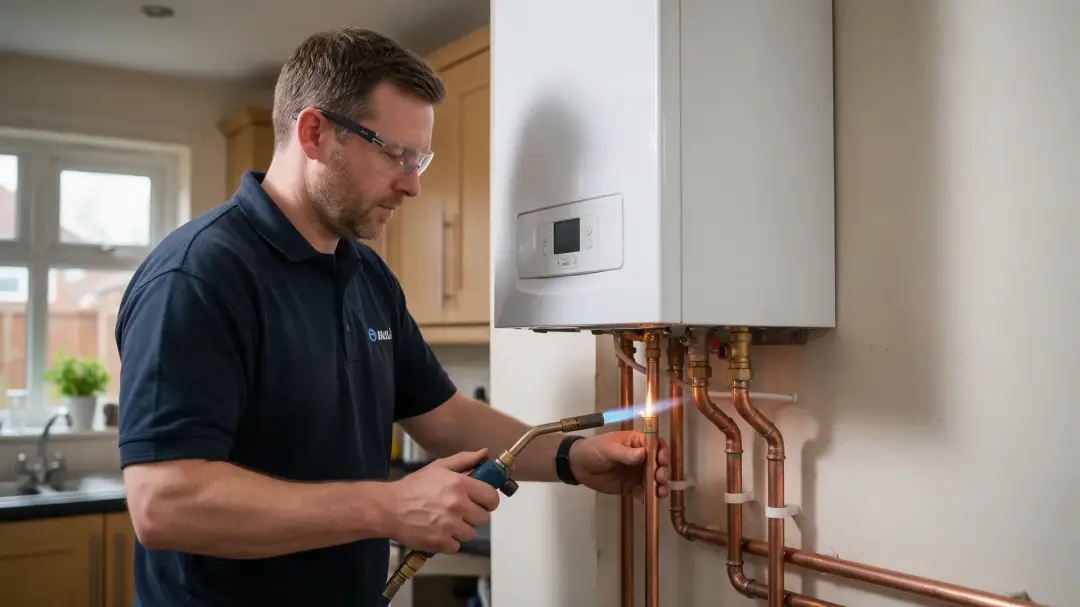
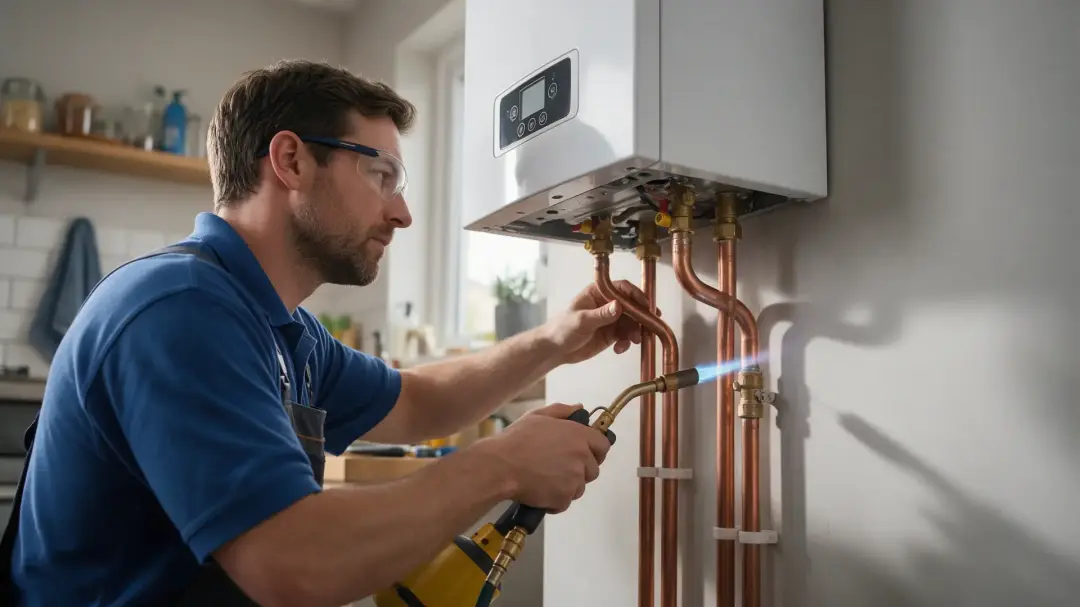
A professional assessment helps you compare replacement costs, expected performance and the needs of your existing heating system.
A new boiler is a significant purchase, but it can improve comfort, reliability and running costs when an older system is inefficient or unreliable. Here is how to judge whether replacement represents good value for your home.
There is no single answer for every household. The right decision depends on the boiler's age and condition, its efficiency, the size of the property and whether the existing heating controls are doing their job. This guide sets out the practical checks to make before you commit.
Start With the Cost of Keeping the Old Boiler
Compare the price of replacement with the likely cost and disruption of continuing repairs. A boiler that is working safely and reliably may not need changing simply because it is older. However, recurring faults, unavailable parts, uneven heating and rising repair bills can make replacement the more sensible long-term option.
Energy Saving Trust says a boiler commonly lasts around 10 to 15 years. It also estimates a typical gas-boiler replacement at about £3,500 in Great Britain, although the final price changes with the boiler type, flue route, pipework, controls and any system clean required.
Efficiency Can Make a Meaningful Difference
Older non-condensing boilers can waste more fuel than a modern A-rated condensing model. Energy Saving Trust's current guide estimates that moving from a G-rated boiler to an A-rated boiler could save around £260 a year in Great Britain. That is an illustration, not a guaranteed saving: it assumes a particular starting point, fuel use and energy prices.
Heating is a major household expense. Department for Energy Security and Net Zero figures show that space heating accounted for 75% of domestic gas consumption in 2024. A boiler upgrade is therefore worth considering alongside draught-proofing, insulation and effective controls, rather than in isolation.
Look Beyond the Boiler Itself
A well-specified installation includes controls that match how the household uses the home. A programmer, room thermostat and thermostatic radiator valves let you avoid heating empty rooms or running the system when nobody needs it. Energy Saving Trust estimates that adding this combination of controls can save about £100 a year in Great Britain.
Ask the installer to assess radiator output, hot-water demand, water pressure and the cleanliness of the existing system. A magnetic filter, chemical inhibitor and, where appropriate, a system flush help protect a new boiler from sludge and debris. These details can affect reliability as much as the boiler brand.
When Replacement Is Usually Worth Considering
Replacement becomes more compelling when the boiler has repeated breakdowns, parts are becoming difficult to source, the repair is costly relative to its value, or it struggles to supply consistent heating and hot water. It can also be the right time if you are extending the property, adding a bathroom or replacing an undersized appliance.
For gas appliances, use a Gas Safe registered engineer. They can confirm whether repair remains safe and proportionate, explain the system options and provide the required installation paperwork.
How to Make a Fair Decision
Get like-for-like written quotations that identify the boiler model, warranty, controls, flushing or cleaning work, filter, condensate route and any making-good work. Compare the whole installation, not only the headline boiler price. It is also sensible to request an estimate of the expected annual running-cost change based on your actual consumption.
If the existing boiler is serviceable, a repair and annual service may be the better value choice. If it is inefficient, unreliable or unsuitable for the household's needs, a properly designed replacement can provide more predictable costs and comfort for years to come.
Consider the Whole System
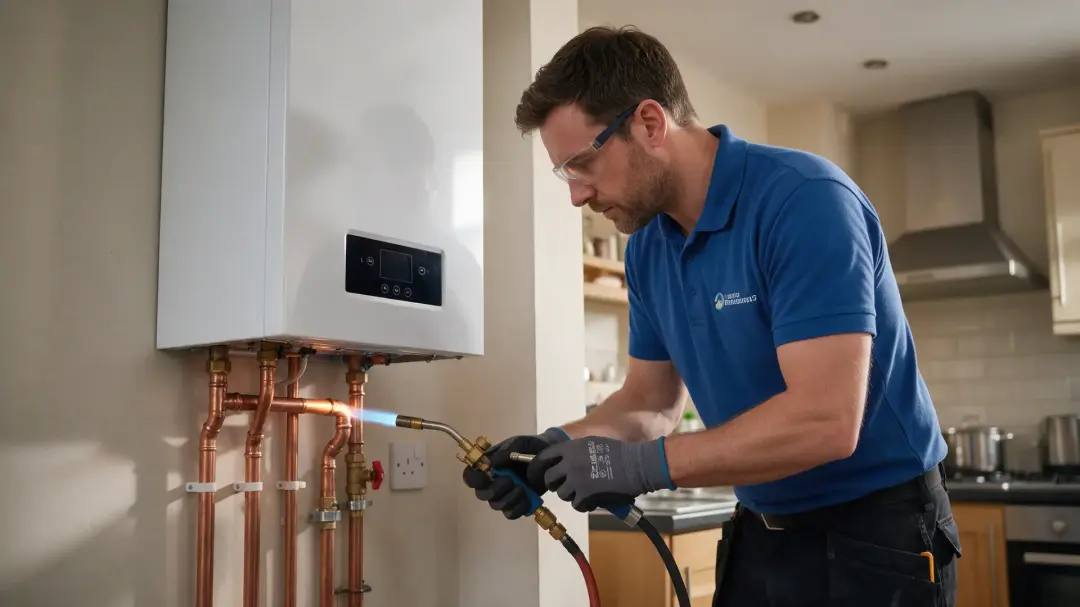
Controls, radiators and system condition all affect the value of a boiler replacement.
Questions to Ask Before You Commit
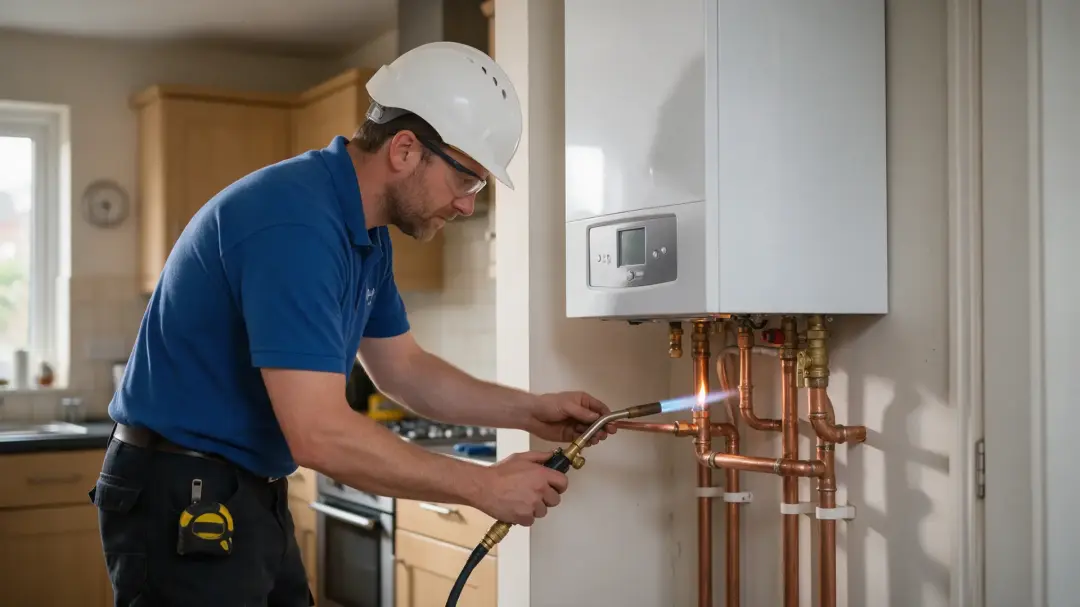
A useful quotation should explain what is included as well as the boiler model. Ask whether the price covers controls, a filter, water treatment, system cleaning, flue work, disposal of the old appliance, making good and commissioning. Clarify the warranty length, what must be done to keep it valid and who will register it. It is also sensible to ask how the existing radiators and pipework were assessed, rather than assuming that a replacement boiler will automatically solve every comfort problem.
Compare the expected outcome, not simply the purchase price. A cheaper quote may omit controls or protective work that supports reliable performance. Equally, an expensive specification should be justified by the property, hot-water demand and likely lifespan of the system. Ask for the expected shower flow, the proposed control arrangement and any disruption that will be required on installation day. Written answers make different quotations easier to compare fairly.
Finally, consider the alternatives. If the current boiler has one repairable fault and is otherwise efficient, a repair may represent better value. If it is increasingly unreliable or cannot meet the household's demand, replacement can be a planned investment rather than an emergency expense. A Gas Safe registered engineer can set out the trade-offs without treating age alone as the deciding factor.
Albatross UK provides professional heating advice and boiler replacements for homes in Cannock and the surrounding area. We can assess your current system and recommend a suitable installation.
Related Heating and Plumbing Services
Depending on your property and the issue you are experiencing, our team can also help with Central heating servicing, Boiler repair, Commercial heating engineering, Local plumbing services.