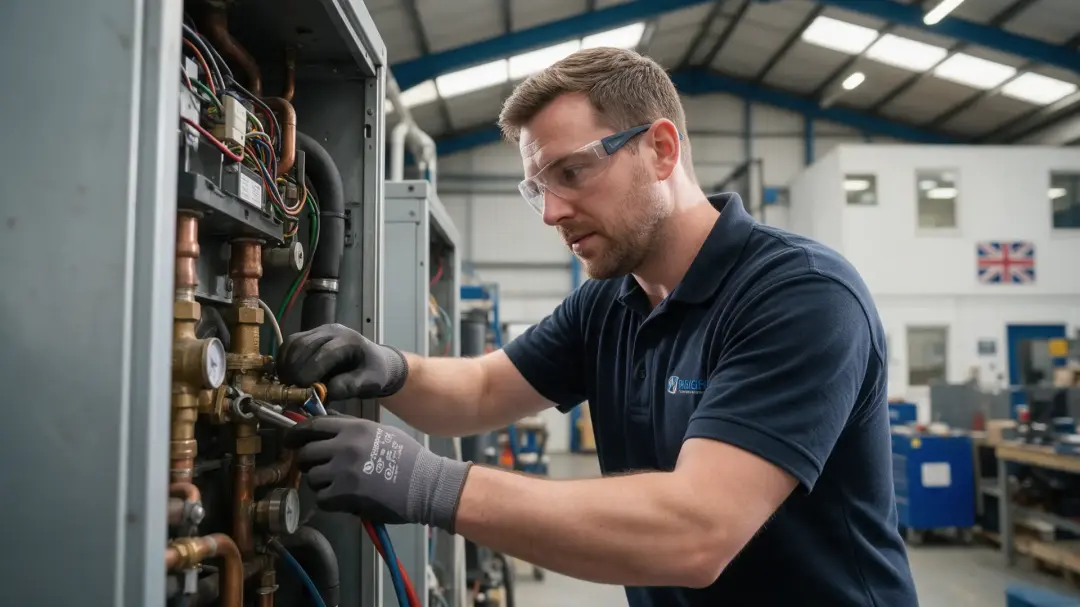
Managing Commercial Heating Demand
Measured energy data and well-maintained plant give a business a practical starting point for cost reduction.
Commercial heating costs can be reduced by matching the system to how the building is actually used, maintaining equipment and targeting heat loss. The most effective plan begins with good information rather than a single quick fix.
Every commercial site is different. Offices, retail premises, schools, warehouses and hospitality venues have different occupancy patterns, heat loads and comfort requirements. Measure first, then prioritise the changes with the best practical return.
Understand Where Energy Is Going
Review gas and electricity data by month, day and, where available, half-hour. Compare it with occupancy, opening hours and weather. The latest government non-domestic dataset covers 1.75 million buildings in England and Wales and shows that consumption varies strongly by building use and floor area.
It also found that only 4% of the highest gas-consuming sites accounted for 80% of non-domestic gas consumption. That is a useful reminder to focus detailed monitoring on the largest loads, persistent outliers and sites with the biggest bills.
Optimise Operating Hours and Setpoints
Check that timers reflect actual opening times, including weekends, holidays and areas that are only intermittently occupied. Avoid heating the whole building long before people arrive or after they leave. Zone controls, programmable thermostats and thermostatic valves can help match heating to the work being done in each space.
Setpoints should balance comfort and efficiency. Avoid unnecessary temperature increases; review them with staff and a competent engineer rather than making abrupt changes that create cold spots or complaints.
Maintain the Plant and Distribution System
Commercial boilers, pumps, valves, controls and safety devices need planned maintenance. A service can identify combustion, water-quality, pressure, control and circulation issues that increase fuel use or raise the likelihood of a shutdown. Check that radiators, fan coils or other emitters heat evenly and that pipework insulation is intact.
Keep plant rooms tidy, accessible and properly documented. Trend fault codes and call-outs so recurring problems are repaired at their cause rather than repeatedly reset.
Reduce Demand Before Adding Capacity
Address draughts, damaged door seals, poor roof or wall insulation and uncontrolled ventilation. Consider the fabric and controls alongside the boiler; an oversized or poorly controlled system cannot fully compensate for heat escaping through the building envelope.
Official UK data reports that buildings and product uses accounted for 21% of territorial emissions in 2024. Reducing unnecessary heat demand can therefore support both operating-cost and carbon objectives.
Build a Phased Improvement Plan
Start with low-cost operational changes and maintenance, then assess controls upgrades, balancing, insulation and plant replacement using measured demand. Record baseline consumption so savings can be verified. A commercial heating engineer can survey the system and identify work that is appropriate for the building rather than applying a generic solution.
Involve the People Using the Building
Facilities teams, occupiers and front-of-house staff often know where temperatures are uncomfortable or equipment runs unnecessarily. Give them a simple route to report problems such as stuck valves, draughts, overheating and timers that do not reflect the schedule. Their feedback should be compared with meter data and professional surveys, rather than treated as a substitute for them. Clear operating guidance also prevents well-intentioned manual overrides from undoing an efficient control strategy.
Choose the Right Evidence for Investment
When considering a larger investment, document the existing fault history, consumption pattern, plant age and likely maintenance requirement. This makes it easier to compare a repair, controls upgrade and replacement on their operational merits. Consider resilience as well as fuel use: a reliable system that can be serviced without unnecessary downtime has value for employees, customers and day-to-day operations. An engineer's survey should be a basis for a phased decision, not a generic product recommendation.
Measure Before You Invest
Good data helps target spending at the plant and controls needing attention.
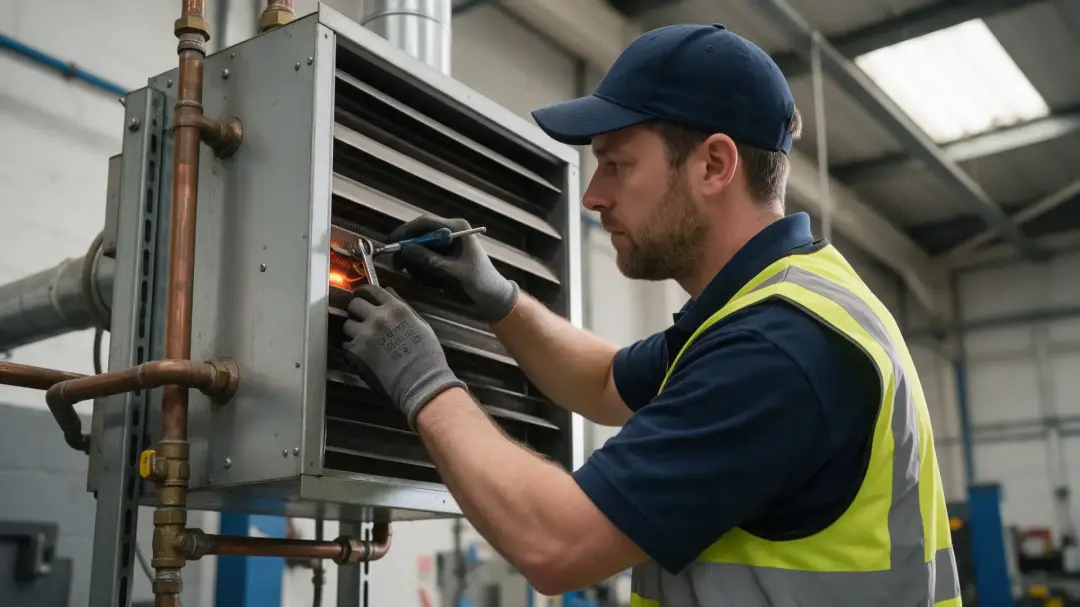
Albatross UK helps businesses assess commercial heating systems, improve reliability and identify practical opportunities to reduce avoidable energy use.
Related Heating and Plumbing Services
Depending on your property and the issue you are experiencing, our team can also help with Boiler installations, Central heating servicing, Boiler repair, Local plumbing services.