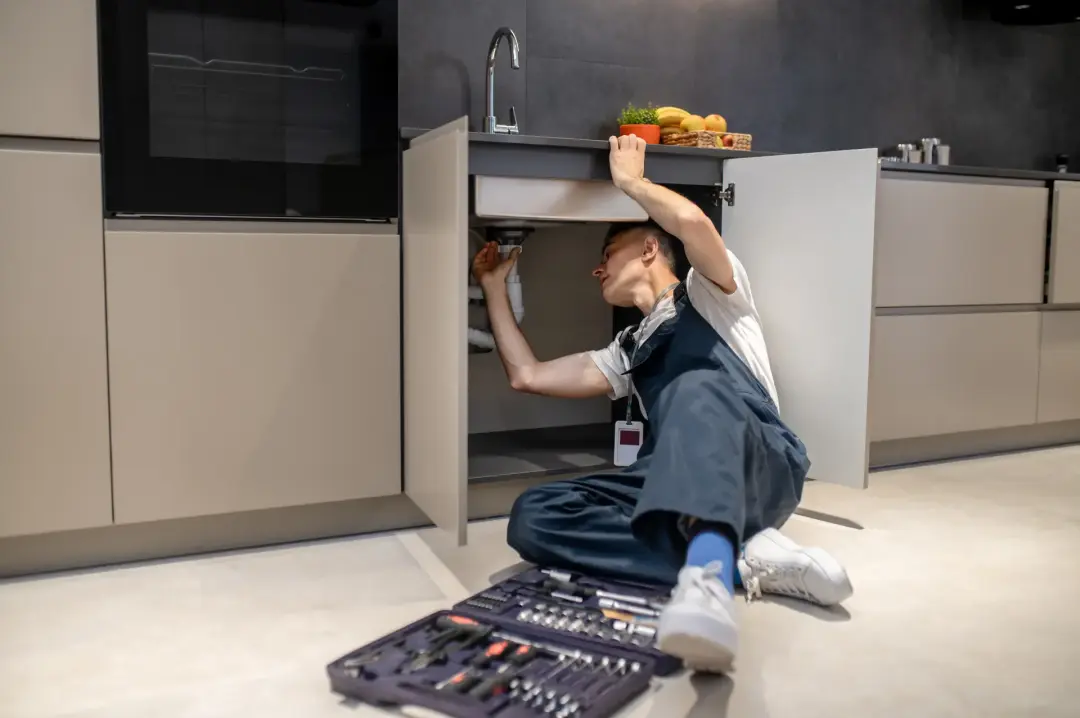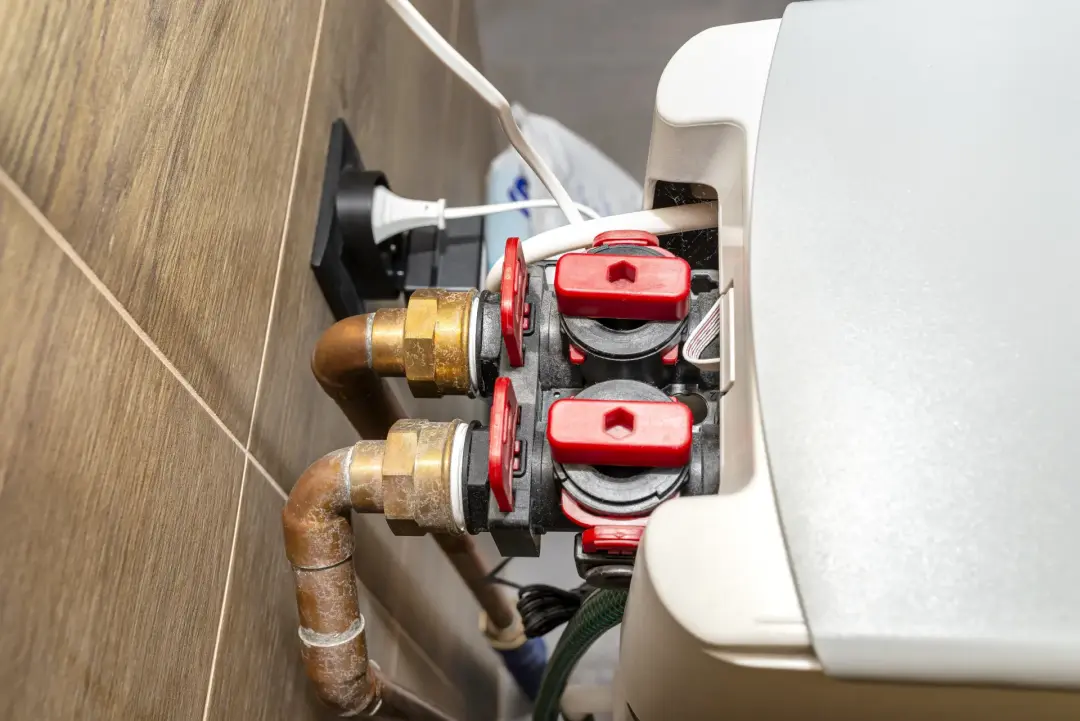
To prepare plumbing for winter, start while the weather is mild enough to inspect accessible areas and arrange repairs without rushing. Exposed pipework, outdoor taps and awkward shut-off controls are easier to address before a cold spell tests them.
For homes in Burntwood, a useful winter plan covers the whole water route, including unheated spaces and periods away. This guide explains the checks to prioritise and the limits of measures such as insulation and boiler frost settings.
Locate and check the internal stop tap before you need it
In a March 2026 survey announcement, WaterSafe reported that 14% of UK households did not know where their stop tap was. Knowing its location is a simple preparation step that can matter when a thaw reveals a burst pipe. Label it clearly and show other adults in the home where it is.
Check that the route to it is clear rather than hidden behind storage or a fixed appliance. If you can safely operate a familiar valve, follow its instructions and check afterwards for seepage. Do not force a stiff stop tap; arrange for a plumber to assess it while there is no emergency.
Make a note of any separate appliance or outdoor-tap isolation valves too. In a flat or shared building, ask the manager about the isolation arrangements before cold weather arrives. Avoid assuming that a valve in a communal cupboard serves only your property.
Identify the pipework most exposed to cold
Walk through accessible unheated areas such as a garage, utility extension or cupboard against an external wall. Look for water pipes near draughts, gaps and outdoor runs. A room that feels comfortable does not prove that a pipe hidden in a colder void is protected. The route matters as much as the room name.
Inspect accessible insulation for gaps, loose sections or damage, particularly around bends and fittings. Do not enter an unsafe loft or disturb materials you cannot identify. Photograph uncertain areas from a safe position and ask a plumber which pipes carry water and what protection suits the installation.
Recent alterations deserve attention. A new appliance or garden tap may have introduced a water connection outside the formerly heated part of the house. Think about changes made since the last winter rather than assuming that an installation which survived one cold spell will always cope.

Fit appropriate insulation and protect outdoor fittings
Severn Trent’s pipe-protection guidance recommends protecting vulnerable pipework and outside taps, including exposed pipes leading to them. Choose insulation suitable for the pipe size and environment and follow the product instructions. Exposed joints and short gaps can undermine an otherwise continuous covering.
Insulation slows heat loss; it does not generate warmth or guarantee protection through prolonged freezing conditions. Where the pipe route is particularly exposed, ask about a more suitable arrangement rather than simply adding an improvised wrap. Do not cover vents, electrical equipment or unidentified pipes while trying to keep everything warm.
If your outdoor tap has a suitable internal isolation valve, follow the installation’s procedure to isolate and drain the outdoor section before frost. Remove hoses and accessories that may retain water. Where you cannot isolate or drain it confidently, arrange advice and use an appropriate tap cover as part of the protection plan.
Check tanks and unheated storage spaces carefully
Some homes have a cold-water storage tank in a loft; others do not. If yours does, use its existing access safely and look for an intact lid and appropriate insulation. Do not climb onto ceiling joists or reach across an unsafe space to complete a checklist. Limited access is a reason to seek help.
South Staffs Water’s winter factsheet advises insulating the top and sides of cold-water tanks, with protection for associated pipework. The arrangement beneath the tank needs to allow warmth from the home where the installation relies on it. Ask for advice before changing existing loft insulation around a tank.
Keep ventilation requirements in mind when addressing draughts or cold areas. Blocking necessary openings can create other problems. If you are planning loft insulation or building work, raise the water tank and pipe routes with the installer so winter protection is considered alongside energy efficiency.
Resolve small faults before the busiest cold-weather period
A weeping joint, an outdoor tap that will not shut properly or a valve you cannot operate is easier to assess before freezing weather arrives. List the faults you have actually observed and arrange targeted repairs. Seasonal preparation should not become a reason to replace working components without an explanation.
Check accessible appliance hoses and connections for existing dampness and keep the area around them visible. A slow leak inside a cupboard can go unnoticed when winter storage hides the fittings. If you have a concealed installation, ensure its intended access panel remains usable.
If heating or hot-water performance has changed, describe the symptoms separately from drinking-water plumbing concerns. Gas-appliance work requires the right competent engineer. Do not open a boiler casing or change safety controls as part of a household winter check; follow the appliance instructions and arrange suitable professional attention.
Make a realistic plan for holidays and empty periods
Before leaving, review your home insurance policy’s conditions about unoccupied periods, heating and water isolation. These conditions vary. The ABI’s home-insurance guidance explains that prolonged absence and maintenance can affect cover. Choose arrangements that suit the actual policy and plumbing system rather than a generic rule from a neighbour.
Discuss an appropriate heating schedule with someone who understands your installation. A boiler’s frost protection may protect the appliance without protecting every remote water pipe. Keep the power and other services required by the chosen protection arrangement available; do not assume a switched-off system can provide frost protection.
If someone checks the property while you are away, give them the stop-tap location, access arrangements and a way to reach you. Ask them to look for changes such as visible water, an unexpected loss of heat or a plumbing alarm. An agreed response is more useful than an informal promise to glance through a window.
Know how to respond if a pipe may have frozen
If water stops during a cold spell, check whether neighbours and the water supplier report a wider interruption before assuming a frozen pipe. If the problem appears confined to your home, inspect only accessible areas safely. A hidden frozen section needs professional investigation rather than dismantling cupboards or opening walls at random.
Isolate the water before dealing with suspected freezing. Severn Trent advises gentle heat such as a warm towel and warns against naked flames. Do not use a blowtorch, boiling water or electrical equipment near wet pipework. Leave inaccessible pipes, damaged sections and any uncertainty about safety to a plumber.
Be alert during thawing: ice can conceal damage until liquid water begins moving again. If a split or leak is suspected, keep the supply isolated and arrange repair. After professional work, ask how to improve protection at that particular location. Solving the vulnerable route is more useful than repeating the same emergency each winter.
Finish with a short, property-specific checklist
Record the shut-off locations, outdoor-tap arrangements, vulnerable pipe sections and any repairs still needed. Keep the notes where another household member can find them. Revisit the plan after alterations or a change in how the property is occupied, rather than treating it as a one-off autumn task.
When speaking to Albatross UK LTD, explain which areas are unheated, whether you will be away and what you have noticed about valves or fittings. Ask for advice matched to those details. A practical winter visit should help you understand your own plumbing and prioritise work that reduces its particular exposure to cold.
Summary and next step
Prepare before frost by checking shut-off access, protecting exposed water pipes and agreeing a plan for time away. Speak to Albatross UK LTD about winter plumbing checks or repairs in Burntwood, especially where valves, outdoor taps or unheated pipe routes need attention.