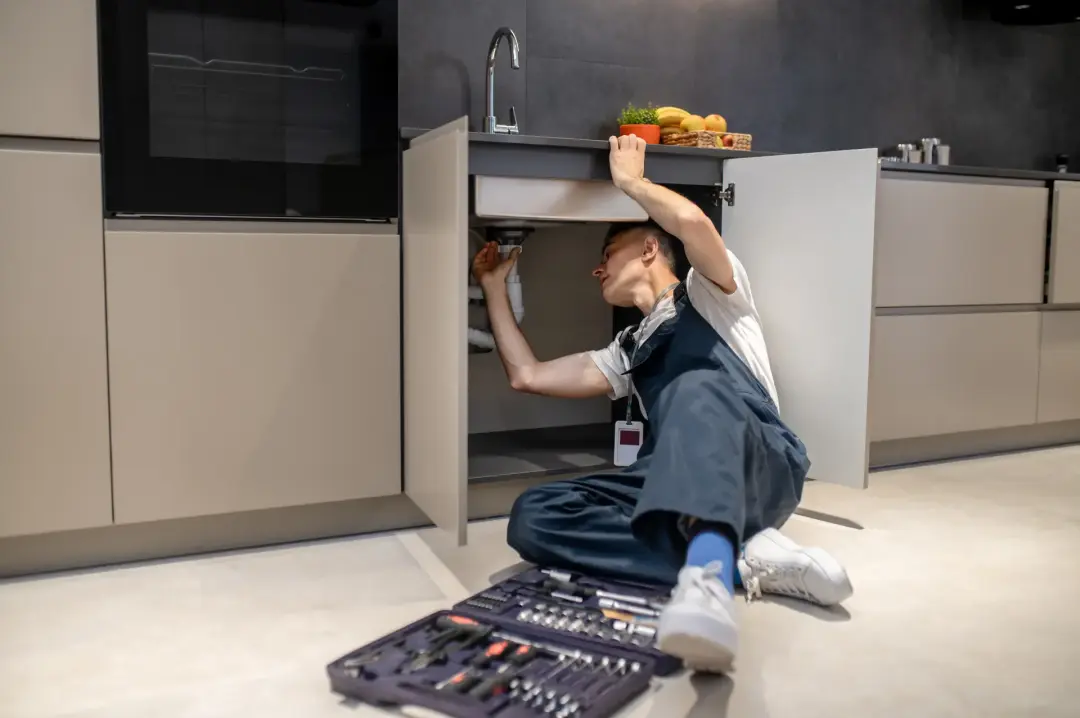
Learning how to choose a plumber starts with defining the work you need. Clearing a blocked sink, tracing an intermittent leak and altering bathroom pipework require different preparation, equipment and experience.
For households in Burntwood, a useful selection process combines practical questions with checks you can verify yourself. This guide explains how to compare services, understand a quotation and agree what a successful job should include.
Describe the job before comparing companies
Write a short brief before requesting prices. Identify the fixture or room, the symptoms, how long the problem has existed and whether water is currently escaping. For planned changes, describe what you want to achieve rather than specifying an unconfirmed technical solution. A plumber can then advise whether that solution is appropriate.
Include constraints that affect the work: a concealed cistern, limited parking, difficult cupboard access, a tenant’s availability or a bathroom that must remain usable. Mention previous repairs and whether another trade will be involved. These details help distinguish an informed proposal from a price based on assumptions.
Ask whether the company handles your particular type of work and whether investigation is needed before a firm repair price can be given. A service that is excellent at installations may have different availability for urgent fault-finding. Matching the job to the service matters more than finding the longest list of capabilities.
Check approval and competence for the work involved
WaterSafe reported in May 2026 that only 48% of homeowners said they exclusively used approved plumbers for home plumbing work. Its survey announcement highlights why checking qualifications and water-regulations knowledge should be part of choosing a contractor. The figure describes the surveyed homeowners, not the quality of every unlisted business.
If a plumber claims membership of a register or scheme, look up the business directly and check that its details match the quotation. Ask what that approval covers and who will actually carry out the work. A badge copied onto a website is less useful than a current record you can independently verify.
Gas work needs a separate check. HSE states that people employed to work on domestic gas appliances must be Gas Safe registered and competent in that category of work. Check the engineer’s identity and relevant categories; general plumbing experience does not establish gas competence. Ask about additional qualifications where specialist equipment requires them.

Use reviews to examine how a business works
Look for recent reviews describing jobs similar to yours, not just a high average rating. Comments about clear communication, explaining options and returning to resolve a problem can reveal more than a brief compliment. Compare accounts across independent platforms and pay attention to patterns rather than one unusually enthusiastic or angry review.
A useful reference for a bathroom alteration might describe how the plumber coordinated access and tested the completed installation. A reference for leak investigation should tell you whether the cause was identified and whether the repair held. The most relevant evidence changes with the job.
Ask how complaints and callbacks are handled. A business should be able to explain whom to contact, how work is documented and what happens if a problem reappears. A professional response to a reasonable question gives you information about the service before you commit to it.
Compare written scopes, not just totals
For non-urgent work, Citizens Advice recommends seeking at least three written quotations and checking references and insurance in its guidance before home improvements. Give each contractor the same brief so the offers can be meaningfully compared. An emergency may not allow a full tendering process, but you can still ask how charging works.
Check whether a price is a quotation for defined work or an estimate that may change. Clarify labour, parts, VAT where applicable, access work and disposal. A lower total can be misleading if it excludes items another proposal includes. Ask for the assumptions and exclusions to be written down.
For diagnostic visits, ask what time or investigation the initial charge covers, how additional time is billed and when repair approval will be requested. A hidden leak may prevent an accurate fixed repair quote beforehand. Clear limits and communication are more useful than an unrealistically certain price.
Agree how variations and payment will be handled
The original plan may change when old pipework becomes accessible. Agree that extra work and its cost will be discussed before proceeding, except for any narrowly defined safety measures you have already authorised. Keep the revised scope in writing so both sides can refer to the same decision.
Ask when payment is due and what an invoice will show. For a larger project, discuss any deposit and staged payments in relation to agreed milestones. You should understand what each payment buys. Do not rely on a verbal promise that everything will be sorted out at the end.
If you are supplying a tap, shower or other fitting, establish who checks its compatibility and who deals with a defective product. A part’s purchase price may be only one element of installation cost. Knowing the boundary between product responsibility and workmanship prevents avoidable disputes later.
Verify insurance and practical arrangements
Ask about appropriate insurance for the work and request evidence where necessary. Confirm the trading name, a reliable contact route and the address or details used on the written agreement. These checks are particularly useful when you first found the business through an advertisement or a recommendation forwarded by someone else.
Discuss likely dates, the duration of any water shut-off and access to toilets and washing facilities. If the household has particular needs, tell the contractor before booking. A realistic plan for disruption is part of a good service, even when the physical repair is straightforward.
Find out whether the person quoting will attend, whether a subcontractor may be used and who supervises or signs off the work. There is no need to assume one arrangement is always better. You need a clear understanding of who is responsible and whom you can contact if something changes.
Ask what completion and aftercare look like
Before accepting the work, ask what testing will demonstrate that the agreed problem has been resolved. This might involve running a fixture, checking new connections and confirming drainage under normal use. For a planned installation, clarify which documents, product information or relevant certificates should be supplied.
Understand any workmanship guarantee and distinguish it from the manufacturer’s product warranty. Ask about duration, exclusions and the process for reporting a fault. Keep the quotation, agreed changes, invoice and any before-and-after photographs together. Good records make aftercare easier for both parties.
When discussing a job with Albatross UK LTD, explain the issue and ask for the proposed scope, pricing basis and availability. Choose the service that can answer those questions clearly and has relevant competence. A considered choice gives you a better starting point than selecting solely on the first available appointment or cheapest headline price.
Summary and next step
Choose a plumbing service by matching its skills to your job and agreeing the scope, price and aftercare in writing. Speak to Albatross UK LTD about plumbing work in Burntwood and use these questions to make an informed booking.