Finding the Cause of a Heating Fault
Good fault records and a professional inspection help distinguish a local problem from a wider system issue.
Commercial heating faults can affect staff comfort, customers, stock and business continuity. Recognising common symptoms and their possible causes helps you arrange the right professional response before the issue escalates.
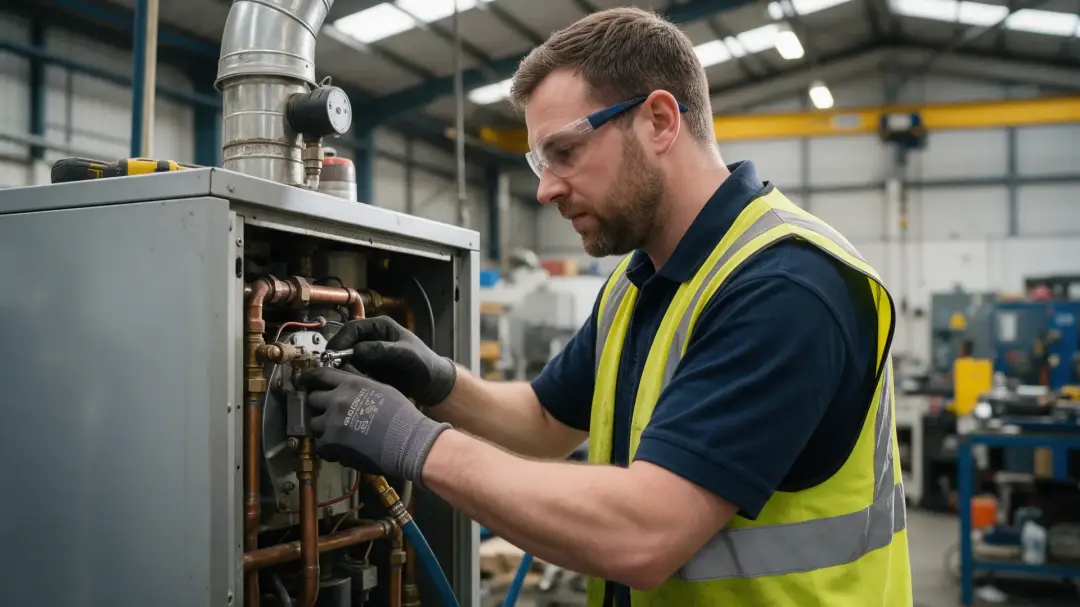
Commercial systems vary widely, so the exact diagnosis should always be made by a competent heating engineer. Do not bypass safety controls or try to repair gas or electrical equipment without the appropriate qualifications.
Uneven Temperatures Across the Building
Some areas may be too warm while others remain cold because of poor zoning, incorrectly set controls, unbalanced radiators, failed valves, trapped air, circulation problems or heat loss from the fabric. Start by noting which zones are affected and at what times. This helps distinguish a local distribution issue from a plant-room problem.
Building use matters. The government's current non-domestic dataset shows the highest median gas and electricity intensities occur in hospitality, shops and health buildings, so a successful solution needs to reflect the site's operating pattern rather than assume every space has the same demand.
High Bills Without a Clear Change in Use
Unexpected consumption can be caused by timers that run outside operating hours, a thermostat or sensor fault, a boiler that is cycling inefficiently, a leak, poor combustion, pump operation or heat loss through the building. Compare bills with the previous year, but adjust for weather, occupancy and tariff changes before drawing conclusions.
ND-NEED 2025 found that 4% of the highest gas-consuming non-domestic sites represented 80% of gas consumption. Regular metering and review are particularly valuable for substantial sites and for any property whose usage has drifted without an obvious reason.
Boiler Lockouts, Fault Codes and Loss of Heat
Repeated lockouts can arise from fuel-supply issues, ignition or combustion faults, low water pressure, failed sensors, condensate problems or safety devices that have detected an abnormal condition. Record the code, time and operating conditions, then contact a qualified engineer. Do not repeatedly reset a safety lockout or override an interlock.
If you smell gas, suspect carbon monoxide or detect a combustion concern, follow emergency procedures immediately and keep people away from the affected area.
Noisy Plant, Leaks or Poor Circulation
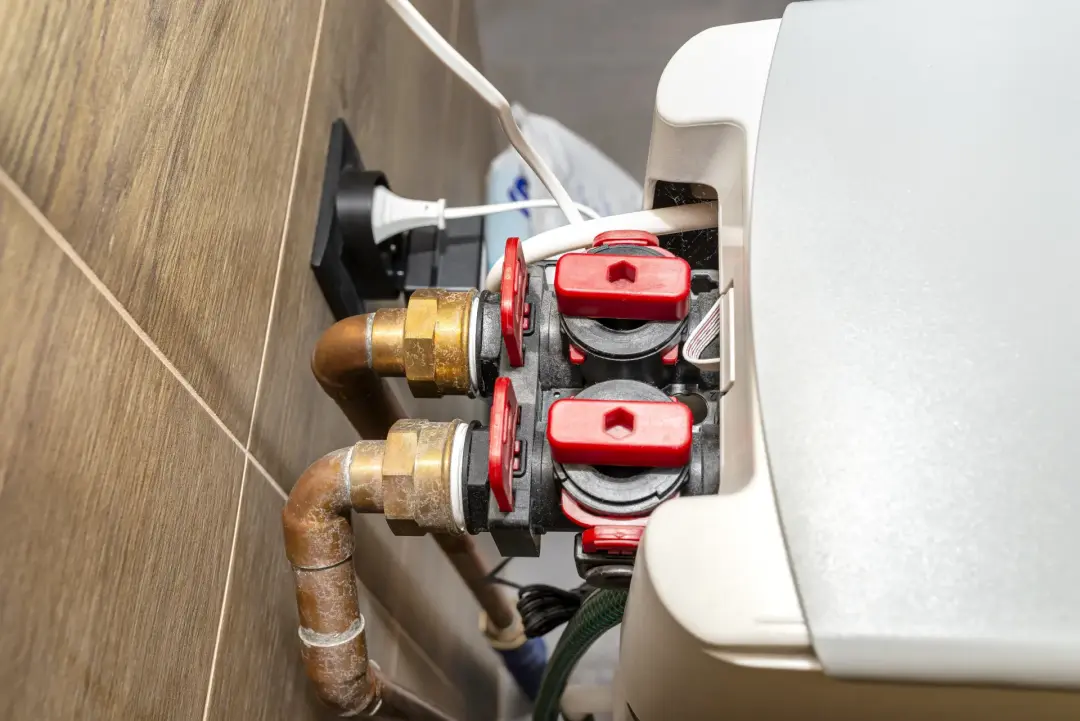
Banging, gurgling, cavitation or vibration can point to air, low pressure, poor pump performance, blockages, scale or sludge. Water around plant, pressure drops and stained ceilings or pipework should be reported promptly. A small distribution fault can lead to corrosion, damage and downtime if it is left unresolved.
Planned water treatment, filtration and maintenance can help protect boilers, pumps and valves, but the correct approach depends on the system design and water condition.
Preventing Recurrence
Keep an asset register, service records and a log of faults, temperatures and energy use. Schedule maintenance before peak heating demand and review controls whenever tenancy, opening hours or space layout changes. A competent engineer can identify whether the root cause is plant capacity, control strategy, distribution or the building envelope.
Keep Safety and Continuity in View
Have a written escalation route for a loss of heat, water leak, gas concern or alarm activation. It should identify who can isolate equipment safely, who contacts the heating contractor and how occupants will be informed. Preventative planning can reduce downtime, especially in sites with vulnerable people, temperature-sensitive goods or long opening hours. After a significant fault, review the diagnosis and repair records with the contractor so any recurring weakness in the controls, plant or distribution system is addressed.
Clear records also help when responsibility passes between a landlord, managing agent, facilities team and contractor. They show which symptoms were observed, what was tested and whether the chosen repair resolved the issue over the following heating period.
Maintain System Continuity
Planned maintenance and accurate records help avoid repeated disruption.
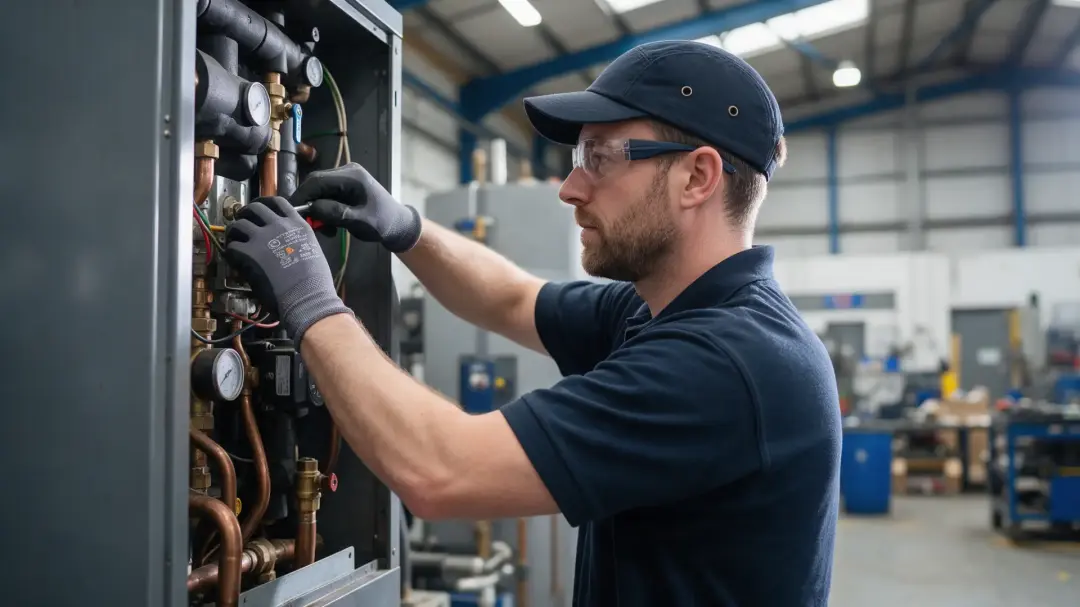
Albatross UK diagnoses commercial heating faults and provides professional repair and maintenance support for businesses in Cannock and nearby areas.
Related Heating and Plumbing Services
Depending on your property and the issue you are experiencing, our team can also help with Boiler installations, Central heating servicing, Boiler repair, Local plumbing services.