Keeping the System Efficient
Maintenance and effective controls work together to help a heating system deliver comfort without avoidable waste.
Regular boiler servicing can support lower energy use, but it is not a guaranteed bill reduction on its own. It helps the system work as intended and can reveal faults or settings that are increasing consumption.
The largest influence on heating costs is the amount of heat the home needs, followed by energy prices and how the system is controlled. Servicing is one useful part of a wider efficiency plan.
How Servicing Can Improve Performance
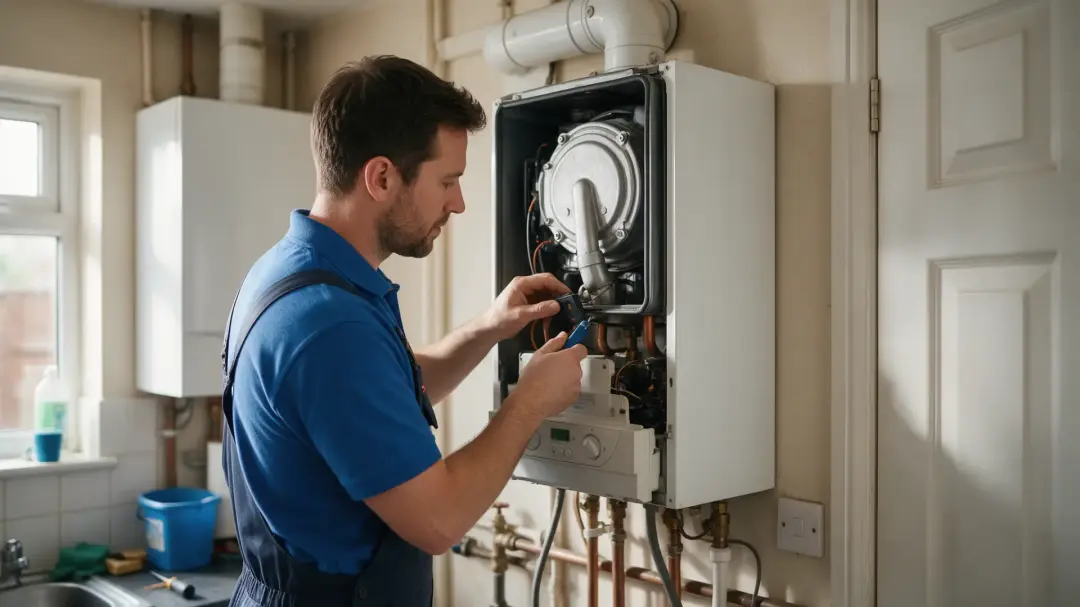
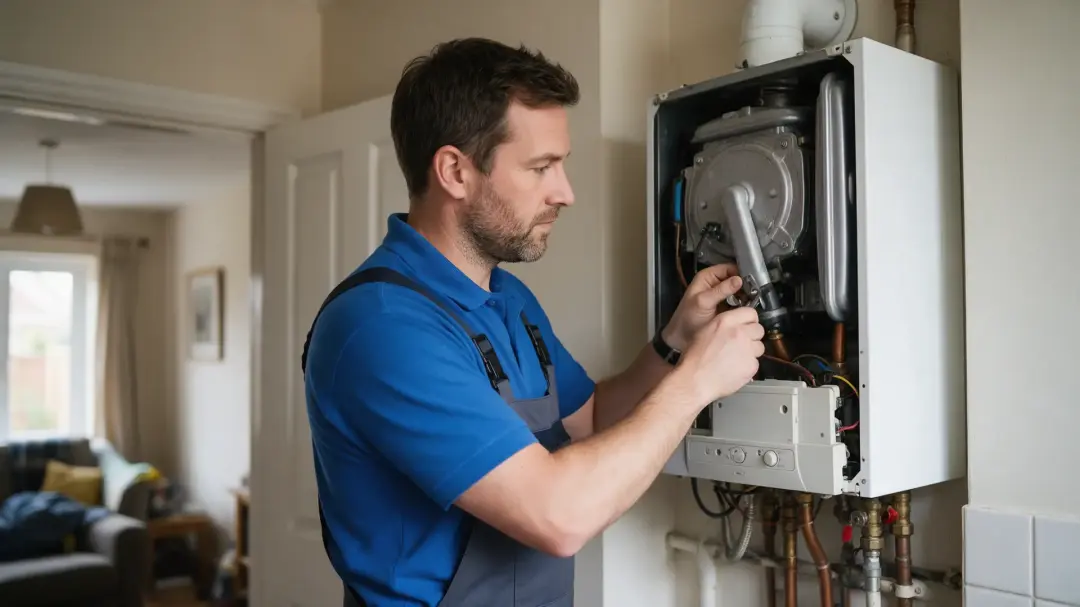
A qualified engineer checks that the boiler is operating safely and in accordance with the manufacturer's guidance. They can identify issues such as combustion problems, leaks, poor pressure, sludge or worn components that may affect performance. Energy Saving Trust recommends annual servicing to help ensure a boiler is working at maximum efficiency.
The service does not create efficiency beyond the appliance's design, and it cannot compensate for poor insulation or a very old boiler. It helps prevent avoidable losses and gives you the information needed to decide on repairs or upgrades.
Why Heating Efficiency Deserves Attention
In 2024, space heating represented 75% of domestic gas consumption, according to the Department for Energy Security and Net Zero. The median annual domestic gas consumption in England and Wales was 10,000 kWh. These figures show why small improvements in heating-system performance and control can matter over a full year, even though every household's use is different.
Review your bills and meter readings over comparable weather periods. A sudden, unexplained increase should be investigated rather than assumed to be normal seasonal use.
Controls Often Have a Bigger Day-to-Day Effect
Controls help a well-maintained boiler provide heat only where and when it is required. A programmer, room thermostat and thermostatic radiator valves can reduce unnecessary use; Energy Saving Trust estimates this combination could save about £100 a year in Great Britain. Smart controls can be helpful too when they suit the household's routine.
Set the thermostat at the lowest comfortable temperature, programme heating around occupancy and avoid turning every radiator valve fully open by default. Ask an engineer to explain settings after a service or boiler installation.
When an Upgrade May Offer More Savings
If the boiler is old and inefficient, annual servicing may keep it safe and functional but cannot turn it into a modern condensing appliance. Energy Saving Trust estimates that upgrading a G-rated boiler to an A-rated one could save about £260 a year in Great Britain, subject to the condition of the old boiler, household use and fuel prices.
Insulation, draught-proofing and well-balanced radiators also reduce the demand placed on the boiler. Consider the whole home before deciding where to invest.
A Practical Annual Checklist
Book a qualified annual service, keep service records, report error codes and pressure loss, test carbon-monoxide alarms and make sure the external flue terminal is clear. For gas appliances, use a Gas Safe registered engineer. Those basic steps help you manage safety, reliability and running costs together.
Use Your Energy Data Sensibly
Compare the same months from one year to the next rather than reacting to one unusually cold bill. Note changes in occupants, working patterns and hot-water use as well as the weather. If usage remains unexpectedly high after basic checks and a service, ask for the boiler and heating controls to be assessed. A measured approach avoids spending on changes that will not address the real cause. It also gives a clearer baseline if you later improve insulation, fit controls or replace an inefficient boiler.
For the clearest result, make one sensible change at a time and monitor it. This helps you understand whether an adjustment to controls, a repair or a wider upgrade is producing the expected improvement, rather than relying on assumptions about a single bill.
Maintenance Supports Efficiency
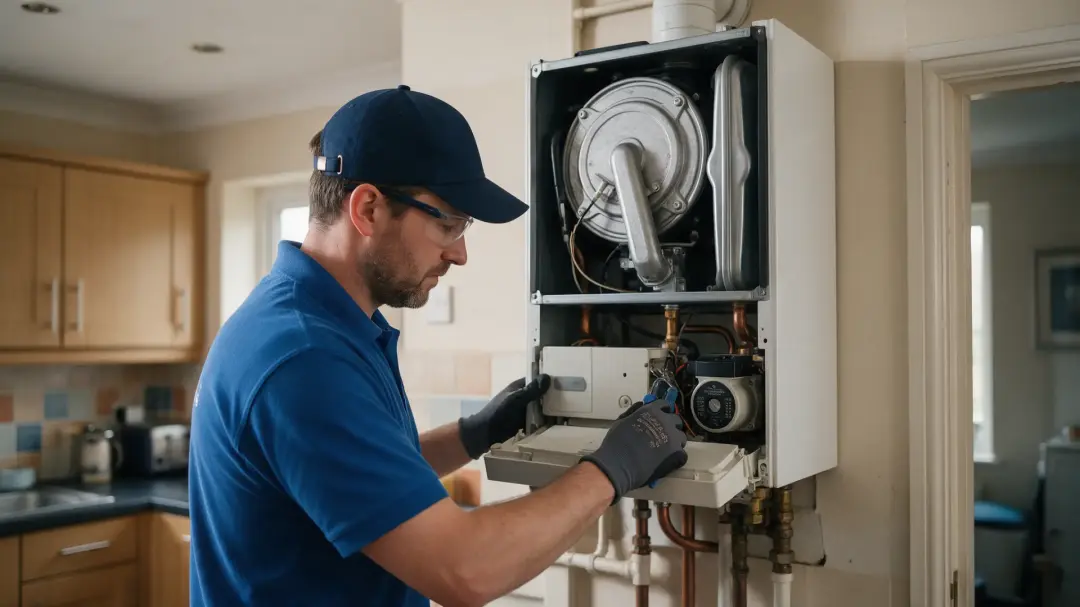
A service can identify faults or settings that may be increasing energy use.
Putting This Information Into Action
Use this guide as a starting point for a focused conversation with a qualified heating professional. Before an appointment, note the make and model of the equipment, the age of the system, any fault codes or changes in performance, and whether the concern affects a single area or the whole property. For a business, record opening hours, occupancy patterns and the times when staff or visitors notice comfort problems. These practical details turn a general concern into useful evidence and can help an engineer assess the situation efficiently.
Ask for the proposed work and its priorities to be explained in plain language. A good recommendation distinguishes immediate safety or reliability work from optional efficiency improvements and longer-term investment. It should identify what has been checked, the likely cause of the issue, the expected result of the repair or upgrade, and any steps needed to protect the system afterwards. If several options are available, compare their effect on comfort, reliability, running cost, disruption and future maintenance rather than deciding on price alone.
Keep records of services, repairs, quotations and energy use. They make it easier to spot repeated faults, monitor whether a change has delivered the expected improvement and plan future work before an urgent failure occurs. Where gas equipment is involved, use a Gas Safe registered engineer; where a commercial system is involved, use a suitably qualified specialist. Never remove an appliance case, bypass a safety device or ignore a gas smell, water leak or carbon-monoxide alarm. Acting promptly and safely protects occupants, equipment and the wider property.
Albatross UK can service your boiler and advise on practical improvements to help your central-heating system run efficiently.
Related Heating and Plumbing Services
Depending on your property and the issue you are experiencing, our team can also help with Boiler installations, Boiler repair, Commercial heating engineering, Local plumbing services.